Advancing Healthcare Education
The Conway Regional Simulation Lab is a state-of-the-art training facility dedicated to strengthening healthcare education, workforce development, and patient care across Arkansas.
Through realistic, hands-on learning experiences, healthcare professionals can develop essential clinical skills, strengthen teamwork, and build confidence in a controlled environment.
Made possible through support from the Arkansas Office of Skills Development, Conway Regional Health Foundation, and community donors, the Simulation Lab expands training opportunities and invests in a stronger healthcare workforce for generations to come.
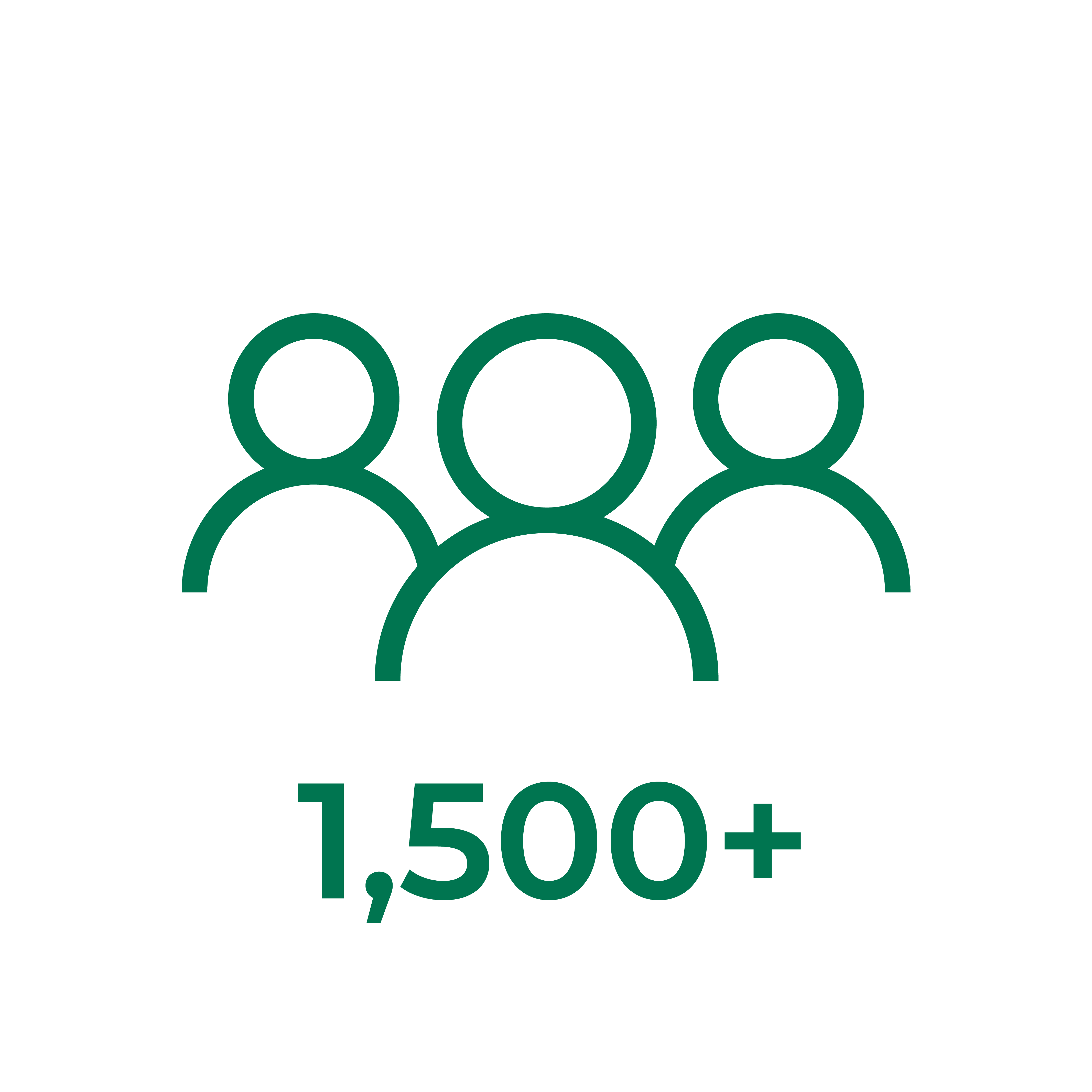 HEALTHCARE LEARNERS ANNUALLY | 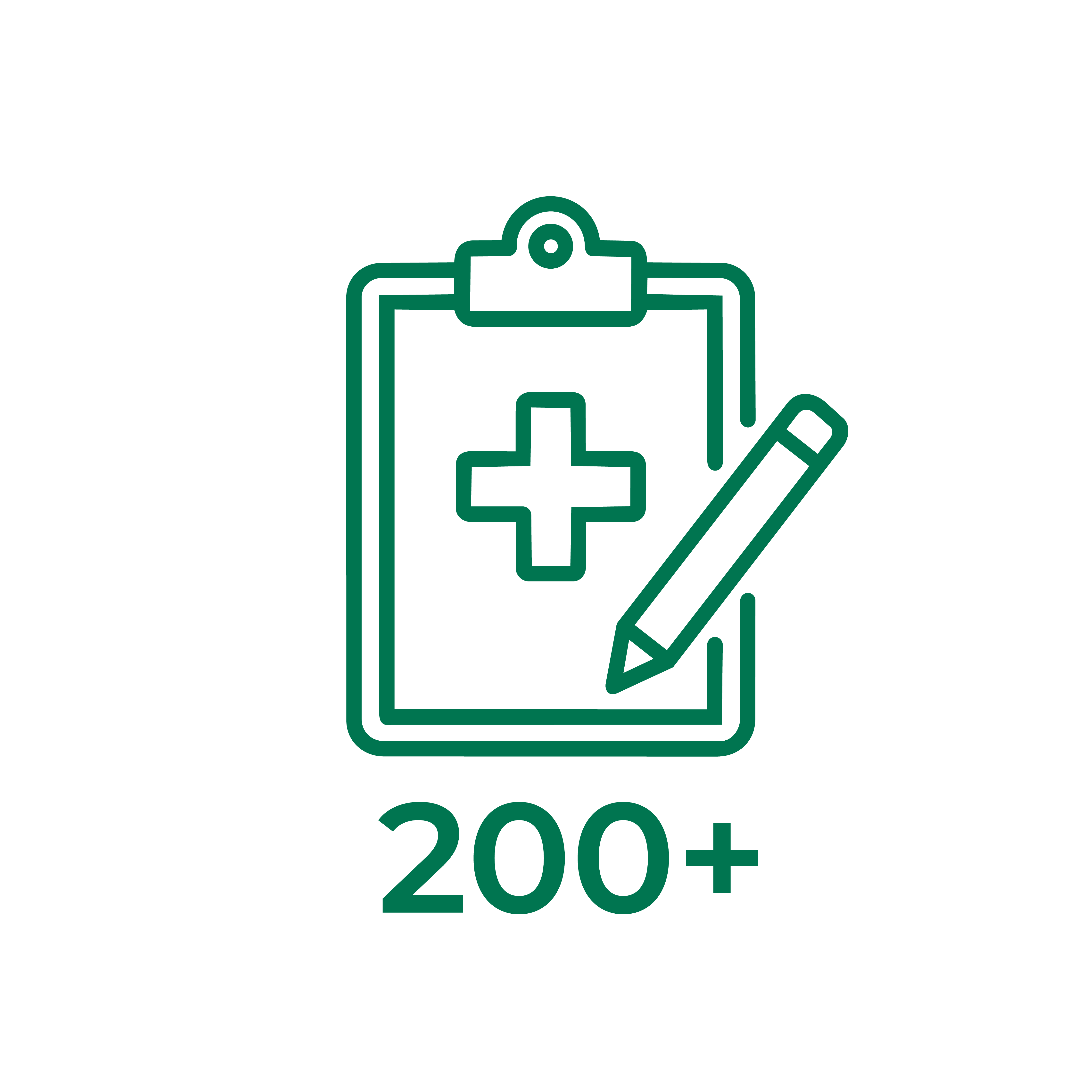 SIMULATION SESSIONS EACH YEAR | 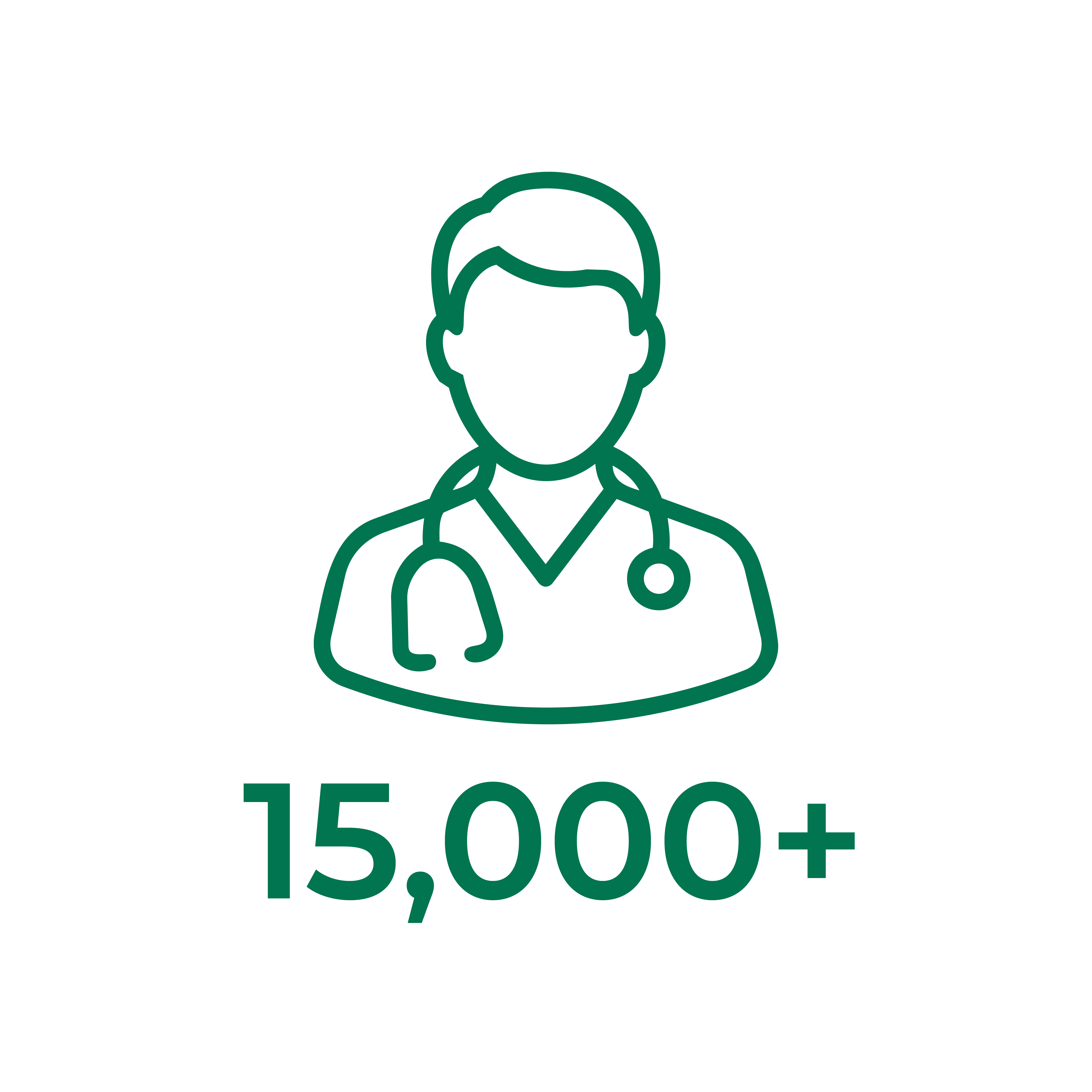 PROJECTED LEARNERS OVER THE NEXT DECADE | 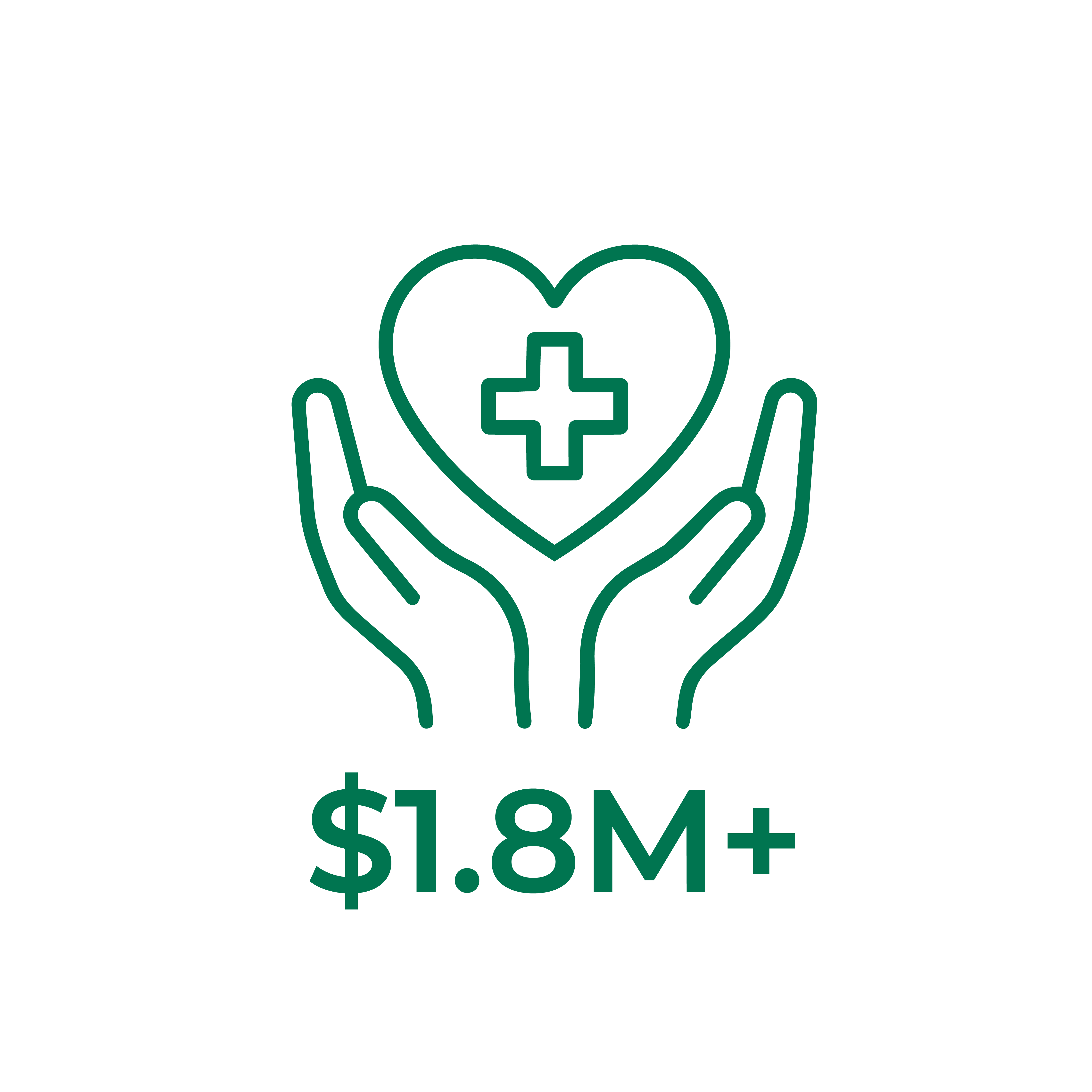 TOTAL |
Training the Future of Healthcare
The Simulation Lab provides advanced training opportunities for physicians, nurses, medical residents, first responders, and other healthcare professionals.
Through simulation-based education, learners can practice essential procedures, respond to complex patient care scenarios, and strengthen clinical decision-making skills before applying their knowledge in real-world settings.
These hands-on experiences create opportunities for healthcare professionals to build confidence, improve communication, and strengthen teamwork in a controlled learning environment. By bringing healthcare professionals together to learn and collaborate, the Simulation Lab supports continued professional development and helps prepare a skilled healthcare workforce to meet the evolving needs of patients and communities across Arkansas.
Specialized Training Opportunities
The Simulation Lab supports hands-on clinical education across a variety of healthcare specialties, providing learners with opportunities to develop essential skills and gain practical experience in a controlled environment.
Critical and Acute Care: Learners practice recognizing and responding to complex medical situations, including airway management, EKG monitoring, and defibrillation. These simulations help strengthen clinical decision-making and prepare healthcare professionals to respond confidently during emergencies.
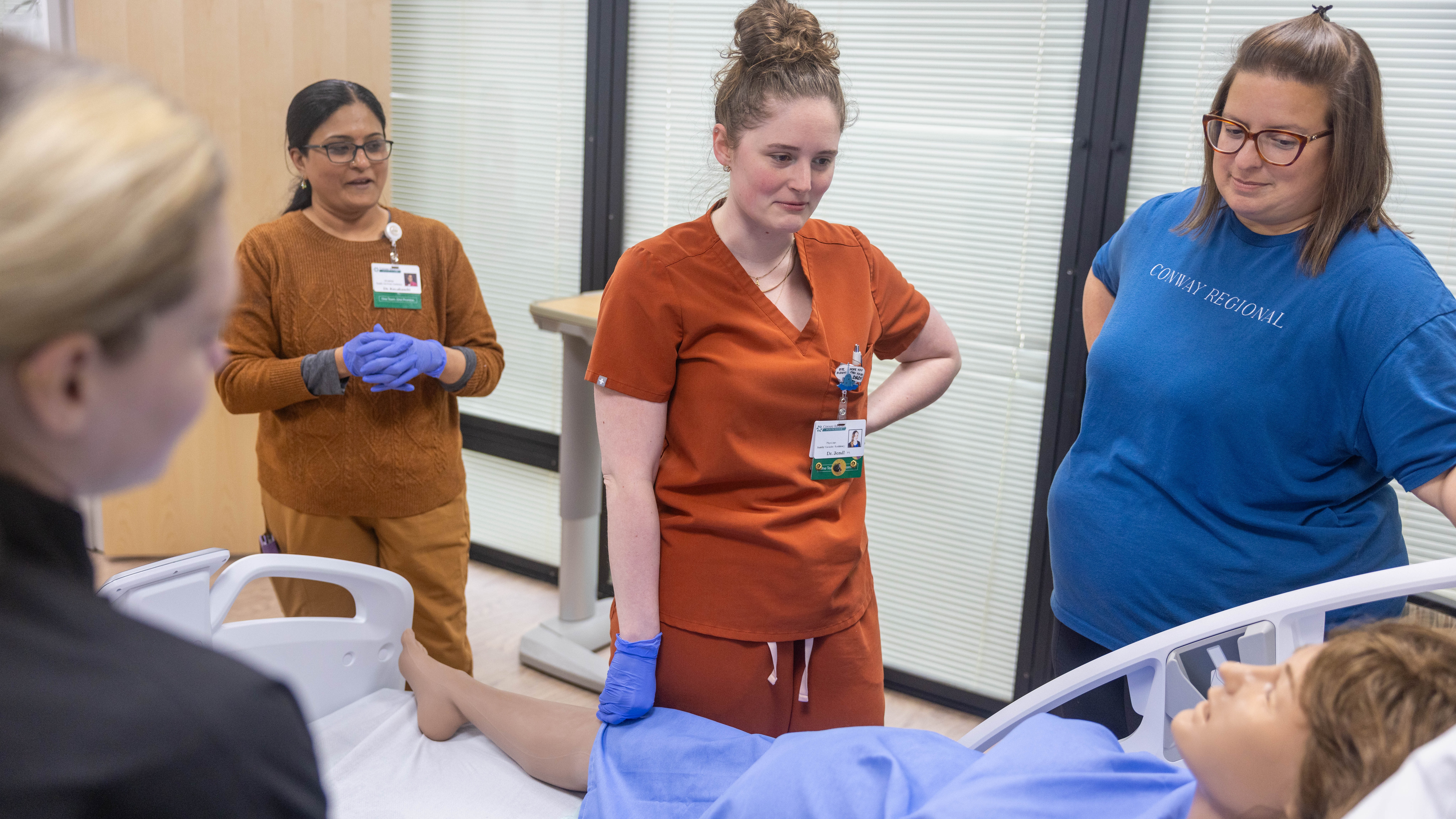
Obstetric and Maternal Care: Specialized training prepares healthcare professionals to care for mothers and newborns during routine deliveries and high-risk situations. Simulations include breech deliveries, shoulder dystocia, Cesarean section scenarios, and maternal emergencies.
Clinical Procedures: Hands-on training provides opportunities to practice essential medical procedures, including skin biopsies, joint injections, and Pap smears. These experiences allow learners to develop technical skills, build confidence, and maintain clinical competency.
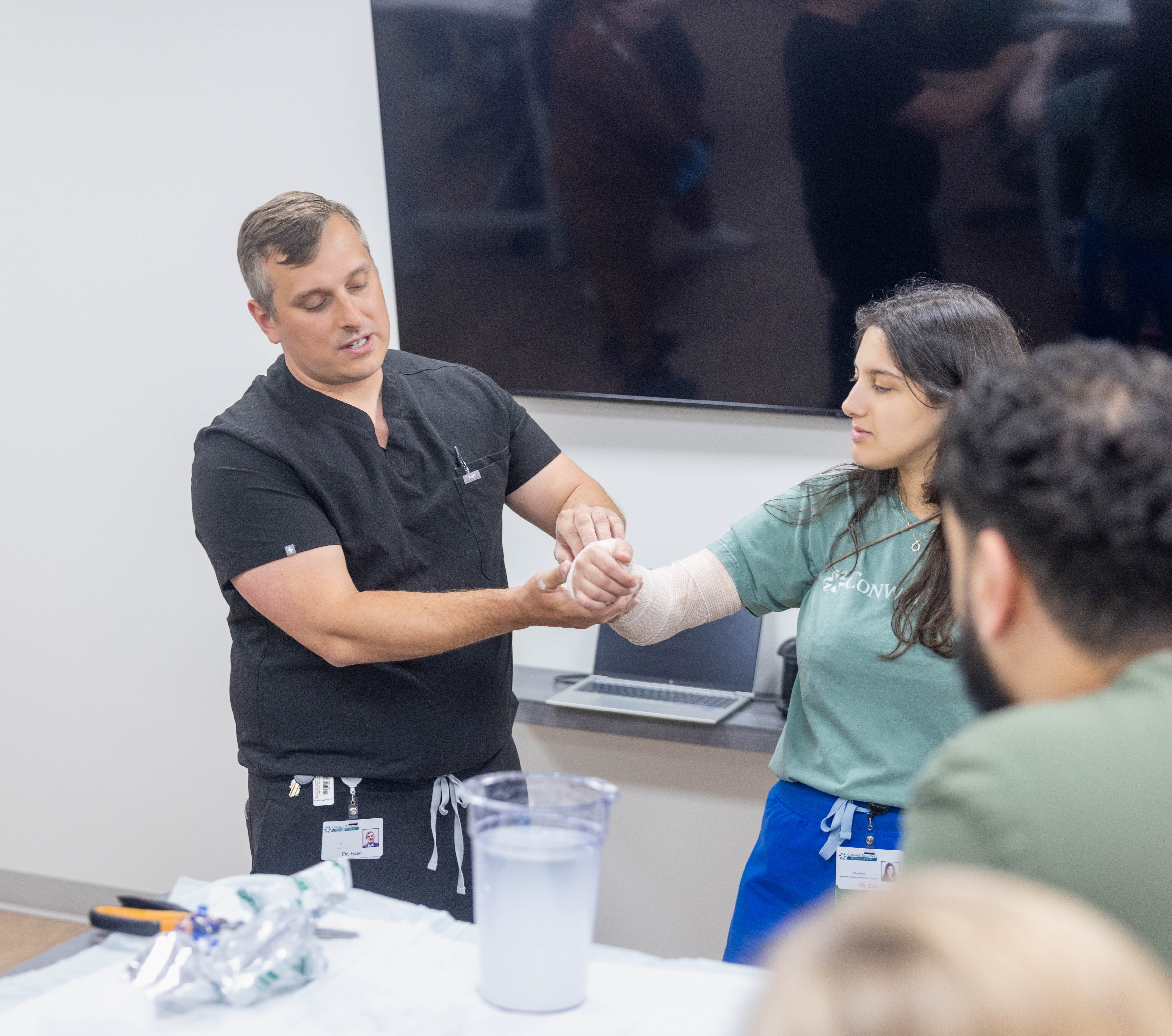
Emergency Response: Team-based simulations bring physicians, nurses, first responders, and other healthcare professionals together to practice responding to critical situations. These experiences emphasize communication, coordination, and teamwork to support effective patient care.